Topics
Biological macromolecules
Molecular & Ionic Clusters. Gordon Research Seminar
| - |
In Ventura, CA
New Developments in Unraveling Cluster Nucleation and Structure
This meeting focuses on the most recent advances dedicated to the description of small to very large aggregates of atoms and molecules. It gathers young experimentalists and theoreticians interested in the study of the growing properties and the structure of such aggregates.
Protein Folding Dynamics. Gordon Research Conference
| - |
In Galveston, TX
Folding: The Landscapes of Natural and Synthetic Life
Â
BioCrystallography Workshop 2016
| - |
In Gif-sur-Yvette
This workshop is intended for PhD students, Post-Doctoral researchers and engineers, and aims to provide theoretical and practical basis to solve the 3D structure of macromolecules by X-ray crystallography. Mornings will be devoted to theoretical courses (accessible to biologists) in order to provide the necessary concepts for the practical work in the afternoon. The day dedicated to the collection and processing of X -ray diffraction data will take place at Synchrotron SOLEIL, on the PX1 / PX2A beamlines

Euro Bio-inspired Materials 2016
| - |
In Potsdam
International School and Conference on Biological Materials Science
Topics will encompass the formation mechanisms as well as the characterization of complex-shaped and hierarchically structured multifunctional materials present in living nature. Based on this, a further key topic will be the consideration of these architectures as archetypes for the generation of novel functional materials with an expanded property spectrum. We invite you to submit your contributions with regard to materials synthesis and design inspired by biological principles and structures. The conference will address Bio-inspired materials based on organic and/or inorganic phases including their mechanical, optical, electronic and magnetic properties as well as actuated systems. Further discussions will be dedicated to materials, which display their function in contact with biological systems, e.g. tissues. Moreover, theoretical modelling of the formation, structure and properties of biological and bio-inspired materials will play a main role.
Winter School of the Priority Program 1569 (SPP 1569) supported by the German Science Foundation (DFG). In addition to this satellite meeting also contributions of the SPP 1569 are included into the poster sessions of the conference.
The key objective of the SPP 1569 is to explore the principles of gene-regulated biomineralization for the production of multifunctional inorganic materials. The scientific aim is the application of biomolecules for the in vitro generation of inorganic functional materials as well as the biomineralization of these materials by living organisms in vivo. By using this route, materials with an enhanced property spectrum, which is not available via conventional processing techniques, shall be gained at ambient conditions by molecular architecture. The main objective is to generate materials with improved properties and novel property combinations by the conjunction of inorganic and organic components. Contact Juliane Kränzl spp1569@imw.uni-stuttgart.de

2016 Crystallization: Focus on Micro and Nano Crystals and High Throughput Methods
| - |
In SLAC, Menlo Park, CA
The 2016 Crystallization: Focus on Micro and Nano Crystals and High Throughput Methods Course will take place at SLAC National Accelerator Laboratory. This hands-on crystallization training program will address basic concepts in macromolecular crystal growth and sample mounting for X-ray diffraction data collection as well as novel applications to macromolecular crystallography experiments at synchrotrons and XFEL's. Attendees will be learning frontier crystallization, sample preparation and manipulation methods for home source, synchrotron and XFEL diffraction experiments including injector and high-throughput goniometer-based approaches. The Course covers introductory lectures and hands-on tutorials, and includes discussions and informal meetings with the tutors. All students are encouraged to bring their own specimens.
The course fee is $450 ($100 registration fee plus $350 social fee to cover all meals).
Macromolecular Crystallography School 2016: From Data Processing to Structure Refinement and Beyond
| - |
In Sao Carlos
- Intended for advanced PhD students, postdocs and young scientists
- Theoretical and in-depth tutorial training on state-of-the-art methods in macromolecular crystallography
- 25 available places for selected students
- Grants available with all expenses covered
- APPLICATIONS until January 20th, 2016 at http://www.ifsc.usp.br/mx2016
Main Topics
- Diffraction data processing
- Phasing and structure determination
- Model refinement and validation
Speakers and Tutors
- Alejandro Buschiazzo Montevideo, Uruguay
- Kay Diederichs Konstanz, Germany
- Paul Emsley Cambridge, UK
- Richard Garratt São Carlos, Brasil
- Ronan Keegan Oxford, UK
- Eugene Krissinel Oxford, UK
- Joana Pereira Hamburg, Germany
- Andrey Lebedev Oxford, UK
- Andrew Leslie Cambridge, UK
- Garib Murshudov Cambridge, UK
- David Waterman Oxford, UK
- Pavol Skubak Leiden, The Netherlands
- Randy Read Cambridge, UK
- Andrea Thorn Cambridge, UK
- Isabel Uson Barcelona, Spain

Biostruct-X Workshop on Ensemble Refinement of Protein Crystal Structures
| - |
In Oeiras
New methods and tools are emerging to address the limitations of
conventional refinement and one of the most interesting is the
combination of molecular dynamics methods with crystallographic
refinement, in what is termed Ensemble Refinement.
The lectures dealing with the emerging theoretical and practical concepts
will be combined with hands-on tutorial sessions.
The invited speakers include:
·      Paul Adams (Lawrence Berkeley Laboratory, Berkeley, CA, USA
·      Alexandre Urzhumtsev (CNRSâ€"INSERMâ€"UdS, Illkirch, France)
·      Raj Pannu (Leiden University, Leiden, The Netherlands)
·      Remy Loris (Vrije Universiteit Brussel, Brussels, Belgium)
·      Marta Amaral (IMI-K4DD and Merck Serono R&D, Darmstadt, Germany)
·      To be confirmed:**Tom Burnley (STFC, Rutherford Appleton
Laboratory, Didcot, UK)
 This workshop is directed to PhD students and young Post-doctoral
researchers who are already experienced in Macromolecular
Crystallography and who wish to learn about this new paradigm of X-ray
protein crystal structure refinement, towards its application in their
own projects. To that effect, participants will be strongly encouraged
to bring their own data to the workshop. The number of places is
limited, therefore apply early!
 The registration fee is 100 € and will include accommodation,
transportation between the hotel and ITQB, workshop materials,
coffee/tea breaks, all workshop lunches and one dinner. The application
deadline is December 18, 2015.
Â
Â
Â
Â

16th IUBMB Conference
| - |
In Vancover
Signalling pathways in development, disease and aging
12th International Congress of Cell Biology
| - |
In Prague
Exploring cellular structure and function
TOPICS
- Nuclear Structure and Function
- Regulation and Organization of the Genome
- Epigenetics
- Cell Division/Cell Cycle
- DNA Replication/Repair
- RNA Transcription and Processing/Noncoding RNAs
- Membrane Trafficking
- Cell Organelles/Mitochondria Â
- Cytoskeleton
- Development/Stem Cells
- Cell Signalling
- Cell Death/Autophagy/Cell Stress
- Cell-Matrix Interactions/Cell-Cell Interactions
- Protein Folding
- Structural Biology
- Systems/Computational Biology
- Imaging in Cell Biology
- Chemical/Synthetic Biology
- Plant Cell Biology
- Microbial Cell Biology
- Cellular Neurobiology
- Cell Biology in Immunology
- Cancer Cell Biology
- Cell Biology of Metabolic Diseases
PACIFICHEM. The International Chemical Congress of Pacific Basin Societies 2015
| - |
In Honolulu, Hawaii
3rd European Crystallography School (ECS3)
| - |
In Bol
Protein Structure, Dynamics and Function
| - |
In ​​Providence, RI
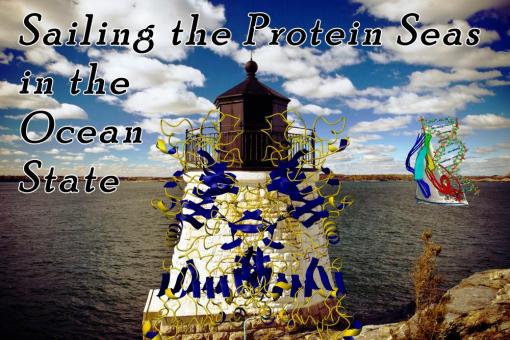
Sailing the Protein Seas in the Ocean State
'Sailing the Protein Seas in the Ocean State' will discuss projects that require the integration of multiple structural, biophysical and cellular techniques to fully elucidate the molecular mechanisms that underlie biological function. This includes also dynamic aspects of protein function.
This will be a small meeting, allowing for effective communication and discussion of research and possibilities. While the meeting is anchored by a few prominent, outstanding investigators who have agreed to attend and give a keynote, most speakers will be chosen from the attendees, with particular emphasis on providing speaker opportunities to early-career participants (assistant professors, postdocs and students). There will also be a poster session.
Confirmed Speakers (alphabetical order):
- Prof. Dr. Tania Baker, HHMI; MIT
- Prof. Dr. Marius Clore; NIH
- Prof. Dr. Jane Dyson; The Scripps Research Institute
- Prof. Dr. Peter Wright; The Scripps Research Institute
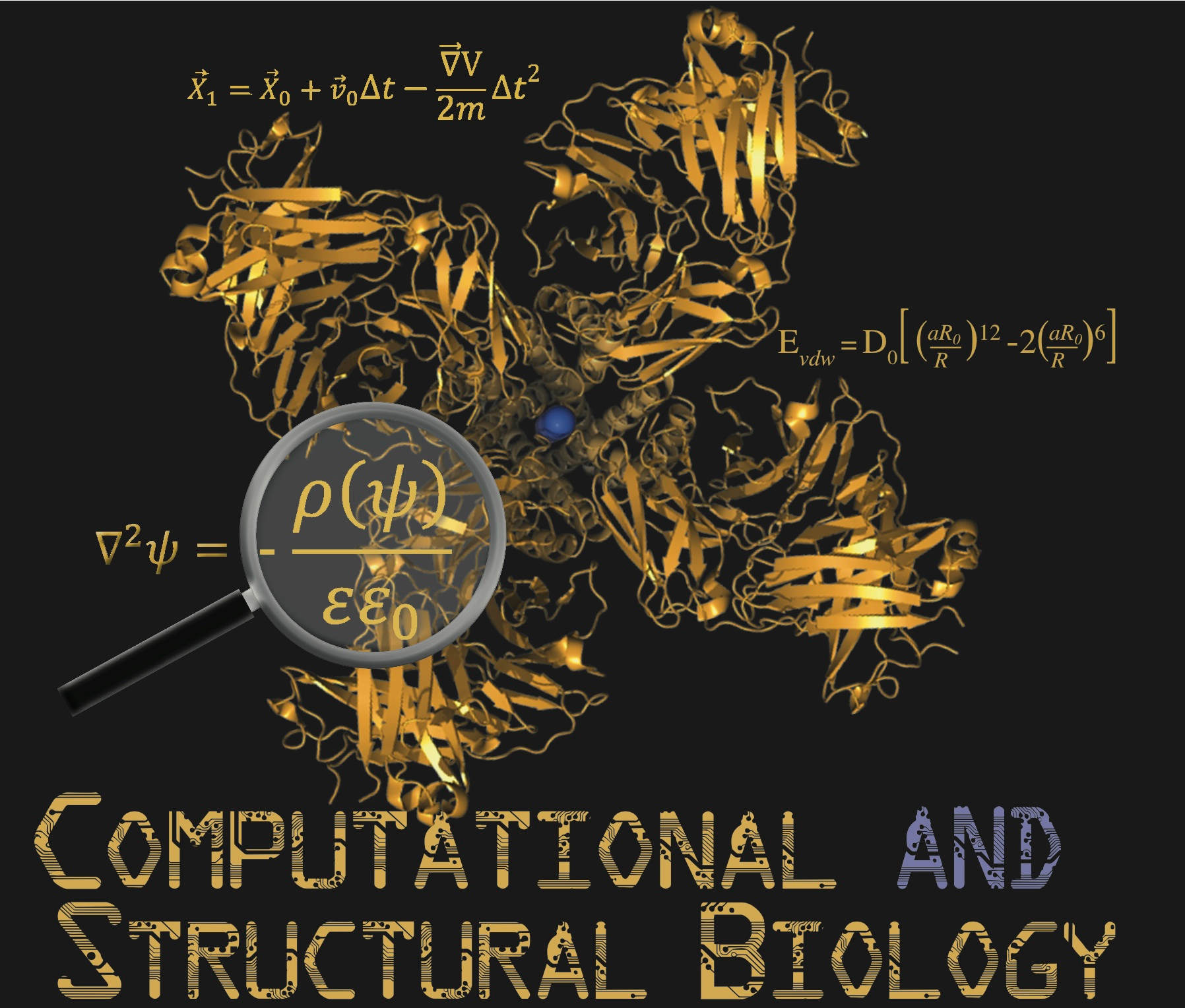
Computational and Structural Biology. The 23rd Jerusalem School in Life Sciences
| - |
In Jerusalem
Â
- David Bensimon, EÌcole Normale SupeÌrieure
- Avinoam Ben Shaul, The Hebrew University of Jerusalem
- Ron Dror, Stanford University
- Sarel Fleishman, Weizmann Institute of Science
- William Gelbart, UCLA
- Daniel Harries, The Hebrew University of Jerusalem
- Stephen Harrison, Harvard Medical School
- Barry Honig, Columbia University
- Tom Kirchhausen, Harvard Medical School
- Rachel Kolodny, University of Haifa
- Michael Levitt, Stanford University
- Emmanuel Levy, Weizmann Institute of Science
- Ohad Medalia, University of Zürich
- Gali Prag, Tel Aviv University
- Tamar Schlick, New York University
- Gideon Schreiber, Weizmann Institute of Science
- Arieh Warshel, University of Southern California
- Ada Yonath, Weizmann Institute of Science
Advanced School on Experimental and Bioinformatic Tools for Protein 3D-structure Determination and Analysis
| - |
In Varadero
An Advanced School jointly organized by IUBMB/University of Havana-Cuban Section of Biochemistry and Molecular Biology.
The School will comprise different topics related to the experimental determination of protein three-dimensional (3D) structure as well as structural bioinformatics tools for protein function annotation, protein-protein interaction analysis and drug design. The School is oriented to postgraduates and young researchers seeking for fundamental knowledge on protein crystallisation, 3D-structure determination and related bioinformatics methods. The main goal of the School is to help participants to understand and incorporate these topics into their research and teaching activities. The course will be organised in around 20 lecturers and students will participate in round-table discussions and share their results with experts and colleagues in two poster sessions.
The application form will contain the title of the poster presentation, authors, authors' affiliation, and an abstract not exceeding 250 words. Also a letter expressing the interest in attending the School and a recommendation letter from the supervisor will be attached.
A total number of 40 participants will be chosen by an international committee and around 10-15 fellowships covering registration fees and partial travel and/or lodging expenses will be granted. Registration fees will be 100 Euro for postgraduate students, 150 Euro for academics and 200 Euro for industry researchers.
Organisers: Carlos Alvarez, Centre for Protein Studies, Faculty of Biology, University of Havana, Cuba; Pedro A. Valiente Flores, Centre for Protein Studies, Faculty of Biology, University of Havana, Cuba; Kalet León, Centre for Molecular Inmunology, Havana, Cuba; Rossana García, Centre for Protein Studies, Faculty of Biology, University of Havana, Cuba.
Lecturers: Terese Bergfors, Howard M. Einspahr, Christian Betzel, Lars Redecke, José A. Gavira, Kalet León, Wendy González, Paulo Ricardo Batista, Peter Tieleman, Kovy Levy, Paolo Carloni, Pablo Campomanes, Garegin Papoian, Rosangela Itri.

Resolution Revolution in 3D Cryo-Electron Microscopy
| - |
In Weizmann Institute
Yifan Cheng, UCSF, San Francisco
Deborah Fass, Weizmann Institute of Science, Rehovot
Werner Kühlbrandt, MPI Frankfurt
Stefan Raunser, MPI Dortmund
Peter Rosenthal, Crick Institute, London
Helen Saibil, Birkbeck College, London
Maya Topf, Birkbeck College, London

IWPCPS-17: International Workshop for Physical Characterization of Pharmaceutical Solids
| - |
In Winter Park, FL
Session Topics
- Various Ways of Structural Characterization as a Tool for Drug Development
- Elucidating Interface and Surface Properties of Materials, Crystal Growth and Phase Diagrams and Their Association to API Solubilization Performance
- Inhalation Of Powders From A Solid State Point Of View
- Integration of Computational Materials Science Approaches in Solid Form Design and Selection
- Pharmaceutical Patents
- Microscopy, Microanalysis and Chemical Imaging
- Established And Emerging Technologies For High Energy Formulations
- And Others
Advanced School on Nano, structural and single molecule approaches to biology: understanding and handling life at higher resolution
| - |
In JNCASR, Bangalore
The workshop is organized by the Abdus Salam International Centre for Theoretical Physics, in cooperation with Jawaharlal Nehru Centre for Advanced Scientific Research.
The aim of the school is to introduce young researchers to the latest developments in the field of nano-biophysics/biochemistry and structural biology, and to their revolutionary impact on biology, biotechnology, drug design and delivery as well as early diagnostics of wide spread diseases. The rapid development of nano-sciences and novel nano-materials has in fact made available a new range of tools and approaches that have revolutionized biological and medical research, by allowing scientist to manipulate nano-particles and macromolecular objects, to build supramolecular entities with improved functionalities, to monitor the function of single molecules, and to understand cell behavior at molecular level.Â
Topics will include:
- single molecule approaches
- optical manipulation
- scanning probe techniques
- high resolution optical techniques
- nanoscale bio-devices
- novel bio-inspired nanomaterials
- molecular design
- structural biology techniques
ACNS2016. 8th American Conference on Neutron Scattering
| - |
In Long Beach, CA
Eighth in the series, the American Conference on Neutron Scattering (ACNS 2016) will provide essential information on the breadth and depth of current neutron-related research worldwide. A strong program of plenary, invited and contributed talks showcase recent scientific results in neutron science in a wide range of fields, including sources, instrumentation and software; hard condensed matter; soft matter; biology; materials chemistry and materials for energy; engineering and industrial applications; and neutron physics.
The conference will be held on board the historic Queen Mary in Long Beach, California and is hosted by the Neutron Scattering Society of America.

2 Day ICM Workshop: Protein Structure and Drug Design
| - |
In San Diego, CA
- Â Â Â Molecular Graphics
- Â Â Â Fully Interactive 3D Molecules in PowerPoint and the Web
- Â Â Â Linking Sequence to 3D Protein Structures
- Â Â Â Protein Structure Analysis
- Â Â Â Protein Modeling and Simulations
- Â Â Â Protein Structure Validation and Optimization
- Â Â Â Ligand Binding Site Prediction
- Â Â Â Protein-Protein Docking
- Â Â Â Small Molecule Docking
- Â Â Â Induced Fit Docking
- Â Â Â Structure and Ligand-based Virtual Ligand Screening
- Â Â Â Lead design using the ICM 3D Interactive Ligand Editor
- Â Â Â Cheminformatics: chemical clustering, searching, superposition, combinatorial library generation and QSAR

HERCULES 2016 - European School. 26 Years of Neutron & Synchrotron Radiation Science
| - |
In Grenoble
HERCULES is a European course for PhD students and young researchers using Neutrons and Synchrotron Radiation for applications in Biology, Chemistry, Physics, Hard & Soft Condensed Matter.
   The 1-month school includes lectures (60%), hands-on practicals and tutorials at partner institutes (DESY and European XFEL in Hamburg, Ellettra and FERMI in Trieste, ESRF, ILL in Grenoble, Soleil and LLB near Paris, SLS in Switzerland) and Grenoble Laboratories (CEA, CNRS, EMBL, IBS).
   The school includes a common part and two parallel sessions:
- Biomolecular, soft condensed matter structure & dynamics
- Physics and chemistry of condensed matter
  Â
   Why join Hercules ?
- to learn new techniques using neutron and synchrotron radiation
- to expand your theoretical and practical knowledge, not only for your present research but for your scientific career
- to experiment these techniques on world-class instruments & beamlines
- to build a network of relations with fellow young researchers and experienced teachers from all around the World
Deadline for application:Â Â 31 October 2015
Bursaries/reduced costs: a limited number of bursaries will be available either to reduce registration fees or cover travel costs.
Common Lectures:
- Interaction of X-rays and neutrons with matter (absorption, elastic and inelastic interactions, ...)
- Sources (neutron, synchrotron, XFEL)
- Detectors
- Optics &instrumentation
- Diffraction (single crystal, powder..)
- Scattering (elastic, inelastic..)
- Spectroscopy
- Imaging (Absorption, coherent,..)
- etc.
Session A: Applications to Biomolecular, Soft Condensed matter, Structure and Dynamics
- Protein structure and dynamics
- Studies in solutions
- Partially ordered systems
- Membranes, fibres and muscles
- Crystallography of viruses and ribosomes
- Structural genomics
- Biomedical applications (imaging, therapy)
- Time-resolved and ultra-fast X-ray science
- Biology with 4th generation sources
- etc.
Session B: Applications to Physics and Chemistry of Condensed Matter
- Neutron and X-ray (and UV and IR) spectroscopies
- X-ray reflectivity and diffraction of nano systems
- Single crystal and powder diffraction
- Coherent imaging and tomography
- Neutron and X-ray magnetic scattering
- Polarized X-rays and neutrons
- FEL and ultra fast X-ray science
- etc.
