Events
IUCr supported meeting
32nd Croatian-Slovenian Crystallographic Meeting. CSCM2026
| - |
In Vodice
Zurich School of crystallography
| - |
In University of Zurich, Switzerland
Powder Diffraction and Rietveld Refinement School 2026
| - |
In Durham
Applications for places can be made here. The closing date is 23rd December.
The cost of the school will be a maximum of £500 for PhD student delegates and £850 for industry delegates or those with permanent academic positions. This covers accommodation, food and copies of the school material. We are hoping to be able to provide bursaries to financially support some PhD delegates.
The course will include a mixture of lectures, small group tutorials and hands-on computer exercises.
Topics to be covered will include:
  Data collection strategies for X-ray and neutron diffraction
  Constant wavelength and time of flight diffraction
  Modelling peak shapes
  Indexing powder patterns
  Rietveld, Le Bail and Pawley fitting methods
  X-ray and neutron combined Rietveld refinement
  Extended solids and molecular systems
  Restrained refinements
  Rigid body refinements
Magnetic refinements will not be explicitly covered.
Teachers on the course will include John Evans, Ivana Evans, Jeremy Cockcroft, Andy Fitch, Emma McCabe, Robert Dinnebier and a dedicated team of course tutors.
WiSe-Cryst 2026: Winter School on Electron Crystallography
| - |
In Jülich
19th European Powder Diffraction Conference
| - |
In Crans Montana

From structural biology to structural cell biology with the aid of machine learning
| - |
In Erice
AIC International School on Current and Future Integrative Structural Biology
| - |
In Padua
19th Conference of AsCA
| - |
In Taipei, Taiwan
On behalf of the Asian Crystallographic Association (AsCA), the Local Organizing Committee (LOC), and the International Program Committee (IPC), we are pleased to announce the 19th Conference of AsCA (AsCA 2025) in Taipei, Taiwan, co-hosted by Taiwan and Japan. The conference will take place at the Taipei International Conference Center (TICC) on December 1â€"5, 2025, jointly with the Symposium on Crystallography of Taiwan and the Crystallographic Society of Japan (CrSJ) Meeting.
AsCA, a regional associate of the International Union of Crystallography (IUCr), is the largest association in the field of structural science within the Asia-Oceania region. This conference, held when there is no IUCr congress, gathers participants not only from Asia and Oceania but also from other regions to share the latest research and advancements. It serves as a valuable platform for exchanging knowledge and strengthening international crystallographic networks among global researchers.
The LOC, formed by the Taiwan and Japan crystallographic societies, and the IPC, composed of international representatives of six major area including biology, physics, chemistry, materials science, and database/data science, are arranging a rich program featuring plenary lectures, keynotes, invited talks, oral and poster presentations, and microsymposia on hot-topic subjects. Additionally, there will be multiple workshops in Taiwan and Japan, commercial exhibitions, council meetings, local association meetings, a half-day synchrotron tour at NSRRC, and social events, including a welcome reception, a young scientist mixer, and a conference dinner.
Taiwan is renowned for its safety, vibrant high-tech industry, diverse cuisine, and natural beauty. Taipei, with its blend of tradition and modernity, offers iconic landmarks like Taipei 101 and night markets, all conveniently close to the conference venue TICC, ensuring a memorable experience.
We look forward to welcoming you to AsCA2025!
AsCA2025 Co-OrganizersÂ
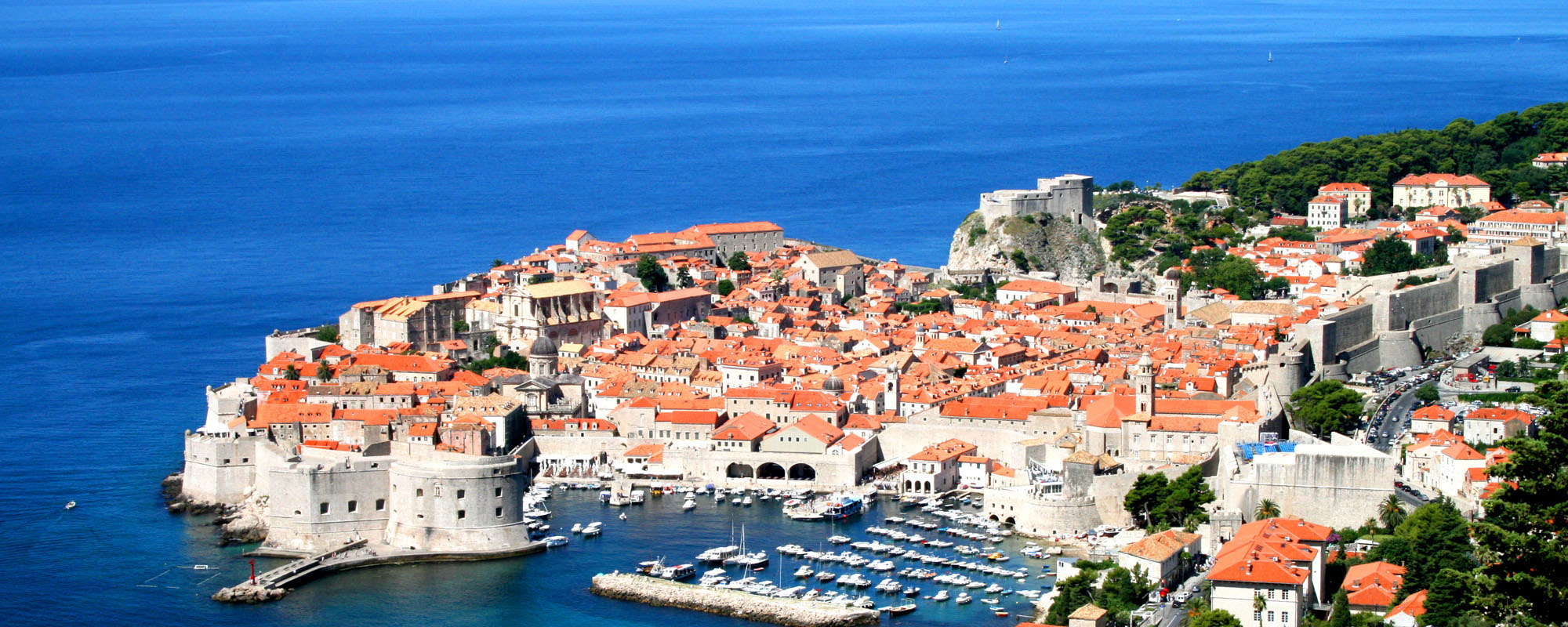
6th International Symposium on Halogen Bonding (ISXB6)
| - |
In Dubrovnik, Croatia.
Normal 0 21 false false false HR X-NONE X-NONE /* Style Definitions */ table.MsoNormalTable {mso-style-name:"Table Normal"; mso-tstyle-rowband-size:0; mso-tstyle-colband-size:0; mso-style-noshow:yes; mso-style-priority:99; mso-style-parent:""; mso-padding-alt:0cm 5.4pt 0cm 5.4pt; mso-para-margin-top:0cm; mso-para-margin-right:0cm; mso-para-margin-bottom:8.0pt; mso-para-margin-left:0cm; line-height:107%; mso-pagination:widow-orphan; font-size:11.0pt; font-family:"Calibri",sans-serif; mso-ascii-font-family:Calibri; mso-ascii-theme-font:minor-latin; mso-hansi-font-family:Calibri; mso-hansi-theme-font:minor-latin; mso-bidi-font-family:"Times New Roman"; mso-bidi-theme-font:minor-bidi; mso-fareast-language:EN-US;}
The ISXB series of symposium aim to bring together researchers from all over the world who are interested in the fascinating phenomenon of halogen bonding and related interactions, from fundamental principles to applied technologies, covering both experimental and theoretical approaches in various areas of research ranging from advanced materials to medicinal chemistry and chemical biology.
The ISXB6 will feature keynote addresses and invited lectures by internationally renowned experts, contributed presentations, posters, and flash communications by young and promising researchers. The Symposium will also provide ample opportunities for networking and socializing in a friendly and stimulating atmosphere.
It will be held in Dubrovnik, Croatia, from October 20-25, 2024. The symposium will take place at the Sheraton Dubrovnik Riviera Hotel, a modern resort located in a secluded beachfront location in the vicinity of the Dubrovnik Old Town.
VI Latin American Crystallographic Association Meeting
| - |
In Montevideo
LACA is a young scientific association that nucleates a very diverse community studying structural sciences in Latin America. The LACA meeting was previously held in Brazil (2015), Mexico (2016), Chile (2018), Colombia (2019) and Costa Rica (2022) after its foundation in Argentina (2013).
The Committees are working on putting together an exciting program that will allow discussions on the latest developments in structural sciences in the continent and some dedicated talks on what is coming in the field in the near future.
Microsymposia topics
Crystal engineering
Materials for energy
State-of-the-art methods in structural biology
Medicinal chemistry
Neutron and synchrotron radiation
SAXS
Characterization of minerals, applications in the study of heritage and industrial applications of X-ray techniques
Structural microbiology
Functional materials
General Interest Session
Crystallography education and engagement
Erice crystallography school 2024: Powder Diffraction: Advancing Real Materials in the Information Era
| - |
In Erice, Sicily
74th ACA Annual Meeting
| - |
In Denver
The ACA Meeting is an annual event providing scientists from a wide variety of backgrounds the opportunity to exchange cutting-edge ideas and techniques in multiple areas of research. The meeting will highlight various aspects of crystallography and demonstrate their significance to the greater scientific community. Vendors display the latest technology at the exhibit show.
RapiData 2024
| - |
In Menlo Park, CA
RapiData 2024 at SSRL is a practical course in macromolecular X-ray diffraction data collection, data processing and structure solution. The aim of the RapiData course is to educate and train young scientists in data collection and processing methods at synchrotron beamlines, using state-of-the-art software and instrumentation.
Â
Topics:
- Specimen preparation, tactics in data collection
- X-ray light sources
- X-ray detectors
- Data reduction
- Structure solving by MAD, SAD and Molecular replacement
- Complementary methods (spectroscopy and small angle scattering)
ECCG-8. 8th European Conference on Crystal Growth
| - |
In Warsaw
- Bulk crystal growth
- 2D-epitaxial growth
- 3D-epitaxial growth
- Relation between optical/electrical properties of crystals and their microstructure
- Crystallization in the semiconductor industry
- Crystallization in biology and medicine
- Crystal characterization methods
4th European School on Crystal Growth
| - |
In Jachranka near Warsaw
IUCr High Pressure Workshop
| - |
In Lund
The workshop will be organized by the ESS (European Spallation Source) with support from MAX IV Laboratory.
Please, save the dates:
- Abstract submission deadline: April 15th
- Abstract notification: May 3rd
- Deadline for registration when accepted abstract: June 1st

Hot Topics in Contemporary Crystallography 6 â€" HTCC6
| - |
In Dubrovnik
SAS2024 (The XIX edition of the International Small-Angle Scattering Conference)
| - |
In Taipei
International Workshop on Improving Data Quality and Quantity in XAFS Spectroscopy (Q2XAFS2023)
| - |
In Australian Synchrotron, Melbourne
The International Workshop on Improving Data Quality and Quantity in XAFS Spectroscopy (Q2XAFS2023) will be held at the Australian Synchrotron in Melbourne (Australia), August 17-19, 2023. This is a Satellite Meeting of the IUCr Congress. The workshop aims to bring together experts in the field of X-ray Absorption Spectroscopy to discuss aspects of the technique that affect data quality in XAFS experiments.
Q2XAFS2023 will provide a forum for discussions with the goal of reviewing international standards and protocols and developing revised recommendations for best practice when performing XAFS experiments. The workshop will be attended by scientists working at international facilities as well as academics.
The event aims to cover the following elements:
- Portability of XAFS data and scientific content between beamlines and facilities (e.g. data formats, traceability and data provenance)
- Data repositories and access to data
- Precision and reproducibility of data and data treatment
- XAFS data and analyses for industry (e.g. standards, quality control)
- New analytical methods
- Discipline-specific data standardisation
- Fluorescence XAFS data
- Theory development underscoring data quality and quantity
International Programme Committee
- Sofia Diaz-Moreno (Diamond Light Source, United Kingdom)Â
- Christopher T. Chantler (The University of Melbourne, Australia)
- Matthew Newville (Advanced Photon Source, USA)Â
- Edmund Welter (Desy, Germany)
- Simon Bare (SLAC, USA)
- Giuliana Aquilanti (Elettra, Italy)
- Wantana Klysubun (SLRI, Thailand)
- Kiyotaka Asakura (Japan)
- Ritimukta Sarangi (SLAC, USA)
Local Organising Committee
- Christopher T. Chantler (The University of Melbourne, Australia)
- Chanh Q. Tran (La Trobe University, Australia)
- Peter Kappen (Australian Synchrotron, Australia)
- Richard Garrett (ANSTO, Australia)
- Rosalie Hocking (Swinburne University of Technology, Australia)
- Claire Weekley (The University of Adelaide, Australia)
Session outline
Session 1: Sharing and re-using XAS data
- Data formats (plain text, XDI, xasCIF, NeXus/HDF5, CIF)
- Metadata (Essential meta data, ontology of XAFS related terminology)
- XAFS databases
- Comparability of XAFS data (Round Robin)
Session 2: Improving the interpretation of XAS data
- Quantification of uncertainties during EXAFS data evaluation and propagation of uncertainties
- Quantification and correction of experimental uncertainties (dark currents, dead time etc.)
- Quantifying uncertainties in XANES evaluation methods (PCA etc.)
- Novel methods (Machine Learning, AI...)
Session 3: Improving the quality of XAS measurements
- Bio and other fragile samples (beam damage)
- Extreme conditions (ultrafast, high-pressure, in-operando)
- Fast measurements (Q-XAFS, dispersive XAFS)
Session 4: Improving the reporting of XAS results
- General reporting guidelines for XAS publications
- IUCr and CXAFS reports
- Assessing experimental data quality
- Including uncertainties in pre-processed data and reported results
- Specific challenges and reporting for photon in/photon out spectroscopies
- Specific challenges and reporting for lab-based XAFS
Programme
Note: each presentation is 20+5 minutes in length.
Day 1: Thursday 17th August 2023
08.45hRegistration09.00hWelcome 09.10hSession 1: Sharing and re-using of XAFS data 1.1: First experiences and results from an interlaboratory round robin test of XAFS spectroscopy measurements.Edmund Welter, DESY     1.2: XAS Reference Database under DAPHNE4NFDI.Abhijeet Gaur, KIT     1.3: Sharing XAFS data and repositories: where to go?Giannantonio Cibin, Diamond LS10.25hMorning tea10.55h1.4: Trends in X-ray absorption data sharing, reproducibility, and measurement and interpretation challenges.Shelly Kelly, APS     1.5: Quantity yields quality, using and building XAFS database.Hitoshi Abe, KEK     1.6: Making a comprehensive XAFS data standard actually happen.James Hester, ANSTO12.10hSession 1 - discussion and conclusion12.30hLunch 13.15hSession 2: Improving the interpretation of XAFS data 2.1: Notes from another world: Precise and accurate X-ray attenuation measurements in the vicinity of the absorption edge.Martin de Jonge, ANSTO     2.2: A 20-year journey hunting down uncertainties and extracting physical information in Absorption and Fluorescence X-ray Spectroscopy.Chanh Tran, La Trobe University     2.3: Improving the interpretation of XAS data using artificial neural networks.Janis Timoshenko, FHI Berlin     2.4: Multivariate Curve Resolution - Alternating Least Squares (MCR-ALS) Analysis applied to XAS data: Principles, Strength, Weakness and Strategies to overcome intrinsic limitations.Valérie Briois, SOLEIL14.55hSession 2 - discussion and conclusion 15.15hTour to the Australian Synchrotron (focus on XAS beamlines)16.00-18.00hAfternoon tea and poster session
Day 2: Friday 18th August 2023
09.00hWelcome - Day 2 09.05hSession 3 - Improving the quality of XAS measurements 3.1: A new protocol for monitoring radiation damage of XAS data, multiple datasets and fitting of XAS measurements with propagated uncertainties.Ruwini Ekanayake, KIT     3.2: Comparing the quality of XAFS data collected with different acquisition rates.Diego Gianolio, Diamond LS     3.3: tba     3.4: Winds of change at the XAS beamline in Melbourne.Bernt Johannessen, ANSTO10.45hMorning tea11.15hSession 3 - discussion and conclusions11.35hSession 4: Improving the reporting of XAFS results 4.1: Formats for Sharing XAFS Data, Metadata, and Analysis Results.Matthew Newville, University of Chicago     4.2: From data collection to reporting in photon-in/photon-out spectroscopies.Sofia Diaz-Moreno, Diamond LS12.25hLunch13.15h4.3: tbaRitimukta Sarangi, SLAC     4.4: Best Practice for High Data Quality in Laboratory-Based X-ray Absorption Spectroscopy.Gerald Seidler, University of Washington     4.5: Addressing Rigor and Reproducibility in Heterogeneous Catalysis: XAS.Simon Bare, SLAC14.30hAfternoon tea15.00h4.6: Assessing data quality and experimental challenges at medium-energy K-edge absorption (1.5-4 keV) for dilute samples.Wantana Klysubun, SLRI     4.7: IUCr, ITC I, IXAS, XERT, Hybrid, Measurement Standards, Reporting Guidelines and Soliloquy on Q2XAFS 2023.Chris Chantler, University of Melbourne15.50hSession 4 - discussion 16.20hPoster Awards presentationWrap-up and Q2XAFS-23 Close 17.00hDeparture to Melbourne CBDeveningWorkshop dinner (venue TBA)Â